


From scaling VMware to $7B and serving as the CEO of Workday to investing in the future as a partner at Sequoia, Carl Eschenbach shares the principles he's carried across four decades of building and scaling enterprise technology's most enduring companies.

Carl Eschenbach has been at the center of some of the most consequential growth stories in enterprise tech. He joined VMware when it had 200 people and left 14 years later when it had 20,000. He scaled the business from $30M in revenue in his first year to $7B. He went on to become CEO of Workday, one of the five largest public software companies in the world, where he pushed the company through the early innings of an AI-driven transformation. Today, he's a partner at Sequoia Capital, with portfolio companies including Gong, Snowflake, Zoom, and UiPath.
His perspective is shaped by having lived both sides of the modern innovators dilemma: as the operator of a category leader trying to stay ahead, and as an investor betting on upstarts.
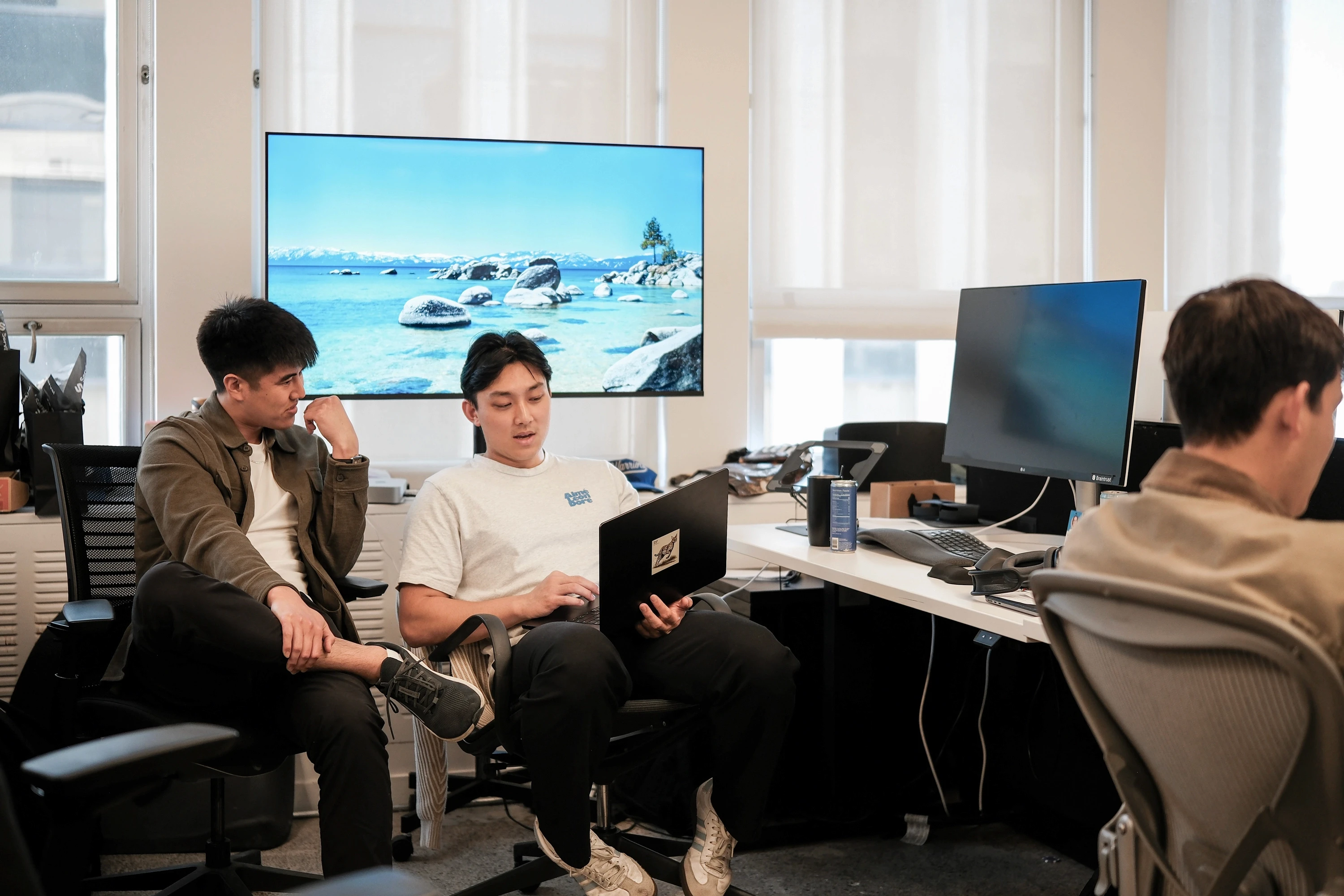
Carl recently sat down with me at Serval’s headquarters to discuss his perspective on timeless principles for scaling companies, the role of trust as a competitive moat, and what it takes to build a lasting company in the AI era.
Jake Stauch:
You scaled VMware from $0 to $7 billion. Looking back at that journey, what fundamental principles for building a lasting company remain the same in today’s environment?
Carl Eschenbach:
First, there is no substitute for great people. Great people build great companies. So focusing on the people is critically important. I know there's this narrative that we're going to need less people, maybe that's true. But at the end of the day, leadership is absolutely critical to scaling any company. Leadership then brings in the lineage of people underneath him or her to take it to the next level.
Number two: don't forget about the importance of culture and values. It's what helps attract people, but more importantly, it helps retain the people once they get in.
Number three: speed, speed, speed. It's never changed, but it's never been more important than it is in the AI era that we're going through.
Number four: The fastest way to scale is to keep things simple. In every aspect of life and business, simplicity scales; complexity doesn't. As companies grow rapidly and add people and layers of hierarchy, what's going to slow you down? I promise you, it won't be the competition, it won't be what’s outside the building. It will be what happens inside the building. So how do you keep things simple? And that’s in tight correlation with how do you drive with speed?
And some things have changed, like the technology; the data behind running a business is greater than ever, and automation has completely changed everything. And I do think certain roles may be impacted by the use of technology like AI.
Jake Stauch:
It's always been the case that enterprise tech companies have a brief moment when they're a star company and see success in the market. Then, very quickly, they become a legacy company and get disrupted from behind. Today, I feel like the cycle is accelerating. The companies that are going to have their moment will have a smaller one than ever. How do we defend from behind? Because I think the biggest threat to us isn't going to be the legacy enterprise tech companies; it's going to be the upstarts. And they're probably not going to be 20 years down the line, I think they're going to be two years down the line.
Carl Eschenbach:
I always start with trust. Trust inside the building amongst yourself, your team, your partners, and your investors. And that needs to parlay into trust with your customers. When customers trust you, they'll stay with you. Don't underestimate the importance of building deep, meaningful professional and personal relationships with your customers. You’re going to displace some of your competitors because they've lost the trust of their customers by raising prices and changing the way they do things. Building trust with your customer and the relationship that you establish with them is a moat. It's a deep moat if you get it right. Spend time with your customers, over-rotate on customer support and customer satisfaction, and always do right by them. Logos are another moat. Momentum is a moat. Speed becomes a moat as well.
Jake Stauch:
Speed is a huge advantage that we have right now. We have about 80 people. We can move much, much faster than our large, legacy competitors. But obviously, we want to grow. How do we stay fast as we scale?
Carl Eschenbach:
Don't let complexity creep in. I hope everyone doesn’t take this the wrong way: If you're not included in a decision, sometimes it's okay. If you trust your people, let them run. I'd always rather have to pull the reins back on the horse than have to spur it to get it to go.
And it's okay to make mistakes. If you're not making mistakes, you're not pushing hard enough. Just keep things as simple as possible so you don't slow yourself down. And don't let hierarchy creep in and slow the business process. Don't let sand get in the gears.
You do need compliance and controls. That's critically important. It makes you a better company because you're into the details, but that doesn't mean everyone has to be involved.
Jake Stauch:
We’ve seen many legacy SaaS providers acquire smaller AI companies. Are you bullish on AI acquisitions transforming the legacy SaaS providers?
Carl Eschenbach:
I’m probably still biased, but those companies are absolutely at risk. But I also know they're not going away. Will they get the exciting multiples and the returns that they're accustomed to? Probably not. You're seeing that in the market. I think people are betting on newer, AI-native companies like Serval to disrupt those markets and, respectfully, drive down the price point for customers. For what they are paying, customers don't believe they're extracting the same level of value they once did from all of these incumbent technology partners, so they're looking to augment that by going with new technology partners to drive costs down.
Jake Stauch:
What other observations have you made as you stepped outside of the operator role and back into a full-time investing role at Sequoia?
Carl Eschenbach:
There’s a lot of investments in AI. It’s happening at a pace I don't think we've ever seen in venture capital, other than maybe 2020-2021, when it accelerated post-COVID.
While everyone is still funding pure AI software companies, there's a lot of investment going into the infrastructure. And when I say infrastructure, it's not just software; it's hardware as well. You have to build out the infrastructure to scale this thing over time.
It's faster and easier to start a company than ever before. That's why you have to go back and focus on, ‘what is your moat?’ I think revenue is ramping quickly, and I would say it's even accelerated just in the last six months since Claude Code has come out; everything's changed.
Jake Stauch:
You have seen a few booms and busts. Starting with the .com boom, you saw the post-COVID boom and bust. How is AI different? How is it the same?
Carl Eschenbach:
When I was in it, it felt real. But in comparison, this seems way more real now because I fundamentally believe AI is going to transform the world. It's going to transform society, it's going to transform business, and it's going to transform us as people. We can't be afraid of it. We’ve got to lean into it. And I truly believe AI is going to amplify human potential. It's not going to replace it.
I think people believe that they're going to compete against AI for jobs. I actually think people are competing against their competitors and their peers who are using and leveraging AI. That's the competition.
Is it a frothy market now? Yeah. Could it fizzle? Potentially. But out of every one of these big hype cycles that plateau, major companies always emerge. You look at every big tech company in the world. They started it during one of these cycles. And I think the same thing is going to happen again here. And I do think, not because I'm sitting here, people like you who are going after massive TAMs with massive incumbents, who are stuck in the middle of innovators' dilemma, to drive $15 billion of revenue every year: these are the type of companies that are going to emerge with real moats and real value for their customers, and they'll be around forever. But I'd be disingenuous if I didn't say there's a lot that won't make it.
Jake Stauch:
I think it's certainly a hot market. But also, the tangible benefits have never been clearer in any of these hype cycles.
Carl Eschenbach:
Yeah, exactly. The one thing I would always ask is how does Serval, or any company, turn up in a customer's financials or their PNL? Can they point and say, " We saved X number of dollars, or we're using this technology, and we can bring products to market faster. We're accelerating growth because of this.” If you don't have a line item in a company's PNL or their financials because of your technology, either growth or saving them money, I'd revisit your value proposition.
Jake Stauch:
Carl, thank you so much for sharing your valuable insights.
Note: This conversation has been condensed and edited for brevity.

Introducing automated license reclamation
Serval reclaims seats as they go unused, on a policy you set once.

Announcing general availability of Catalyst
Today, we're excited to announce that Catalyst is generally available and will be enabled by default for all organizations.
Serval Launches Program to Transform Employees Into Future Founders
Serval Start Challenges Traditional Career Paths and Retention Strategies for Startups

Our approach to hiring: fewer, better, every time
Hiring is the single highest-leverage thing we do at Serval. Every person we bring on either raises the bar or lowers it, so we treat hiring the way we treat product: with obsession.

Raising the automation ceiling
What we learned building proactive agents

Introducing Catalyst: Automating a task forever should be easier than doing it manually once
Automation tools have been around for decades. Serval changes the math on when it’s worth reaching for them - by making tasks easier to automate than do manually once.

Hire High-Agency People
I have 11 direct reports, while our CTO Alex has somewhere around 30, and I expect those numbers to increase as our team grows.

Do the hard things, always
How Serval is building a universal automation platform to eliminate manual operational work across companies.

Serval’s Three Operating Principles
We don't have a culture deck. We have three operating principles.

Introducing Serval Start: A New Path for Aspiring Founders
A two-year program for builders who want to become founders — before they have a company to build.
Following the Founders: Why I Joined Serval
Founding Engineer, Kaz Hishida, tells the story of why he joined Serval.
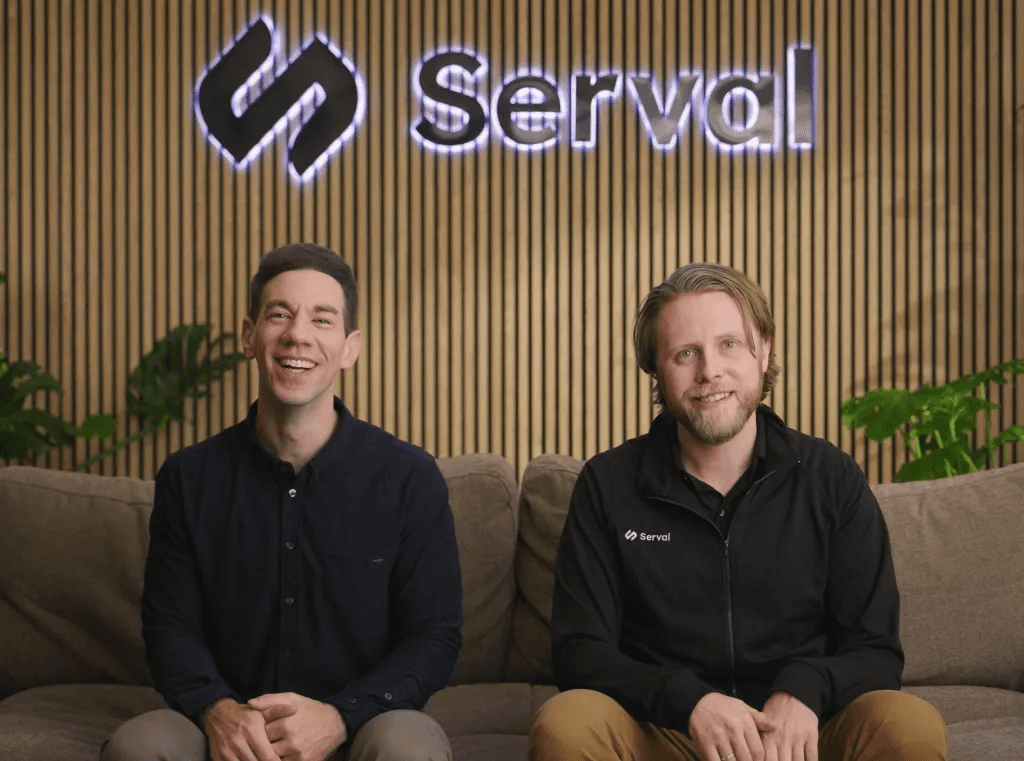
Partnering with Serval: Empowering IT for AI Enterprise Automation
Jake, Alex and their team are giving IT teams the power to bring AI automation from their own department to every part of the organization.
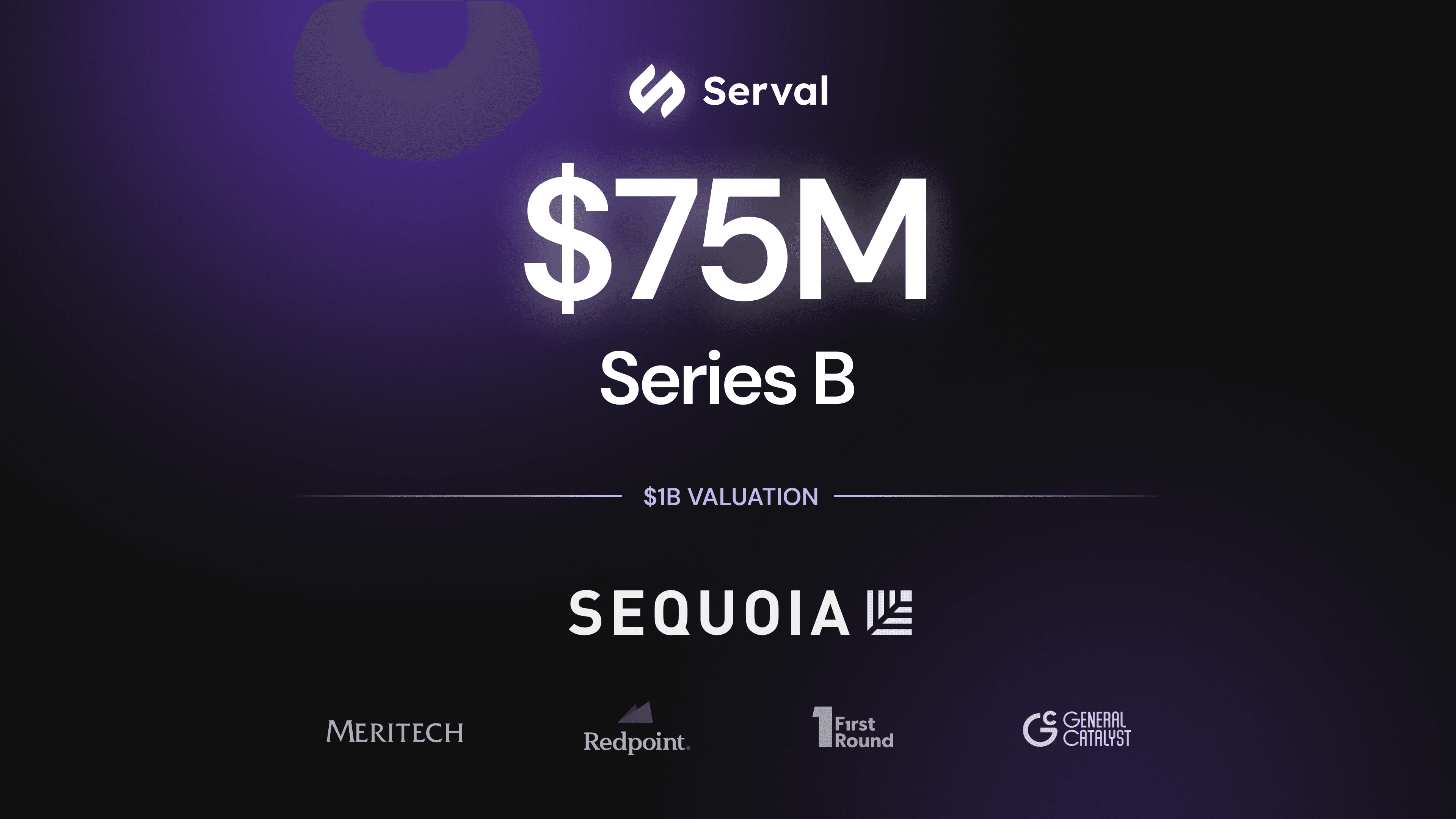
Serval’s Next Chapter: Raising $75M to Build the New Era of Enterprise Automation and Service Management
We helped customers automate more than 50% of their tickets. Sequoia took notice.
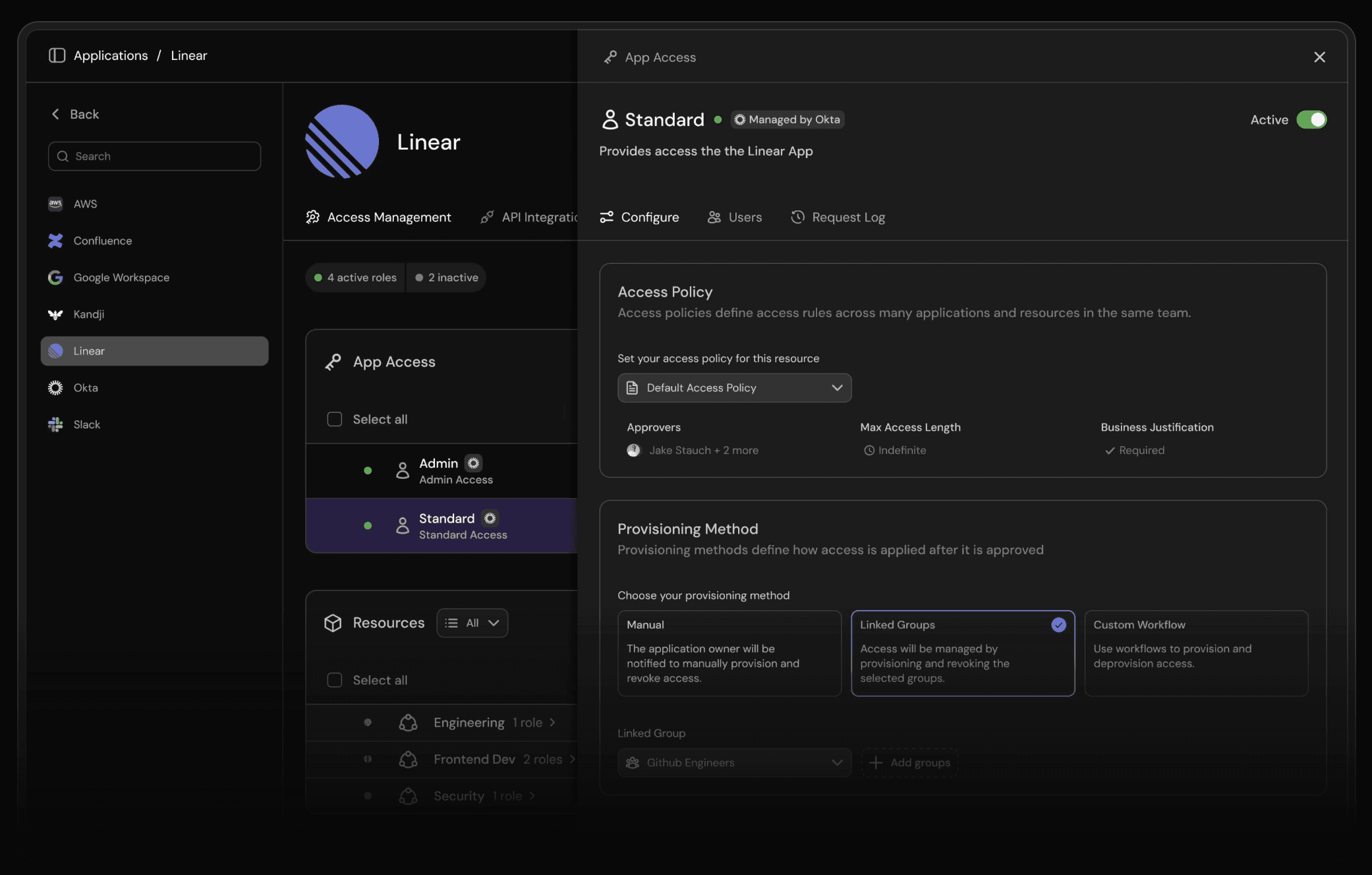
Introducing Serval's AI-native access management
Serval's AI-native access management centralizes operations and improves security for IT and security teams

Gartner IT Symposium Recap: Why it matters that Serval is AI-native
Serval's AI native infrastructure provides huge benefits over legacy ITSM platforms.

General Catalyst Article: Doubling Down on Serval: Building Intelligent IT Agents for the AI Era
Investor, General Catalyst posts about Serval's Series A launch
TechCrunch Article: Serval raises $47M to bring AI agents to IT service management
TechCrunch announces Serval's Series A
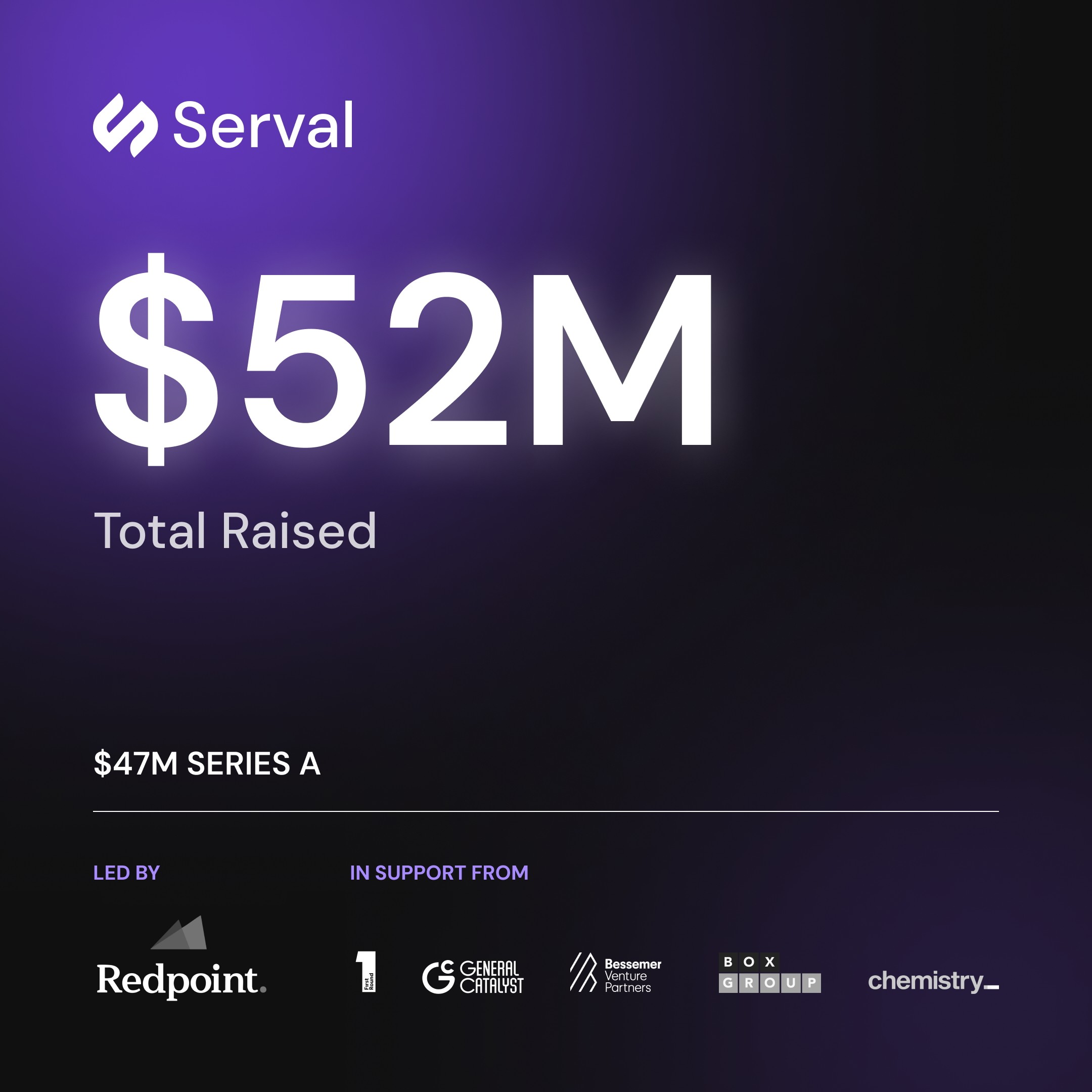
Announcing $52M Total Raised to Deploy AI Agents for IT
Serval adds $47M in Series A funding, led by Redpoint Ventures with participation from First Round, General Catalyst, Box Group, Bessemer Venture Partners, Chemistry, and others.
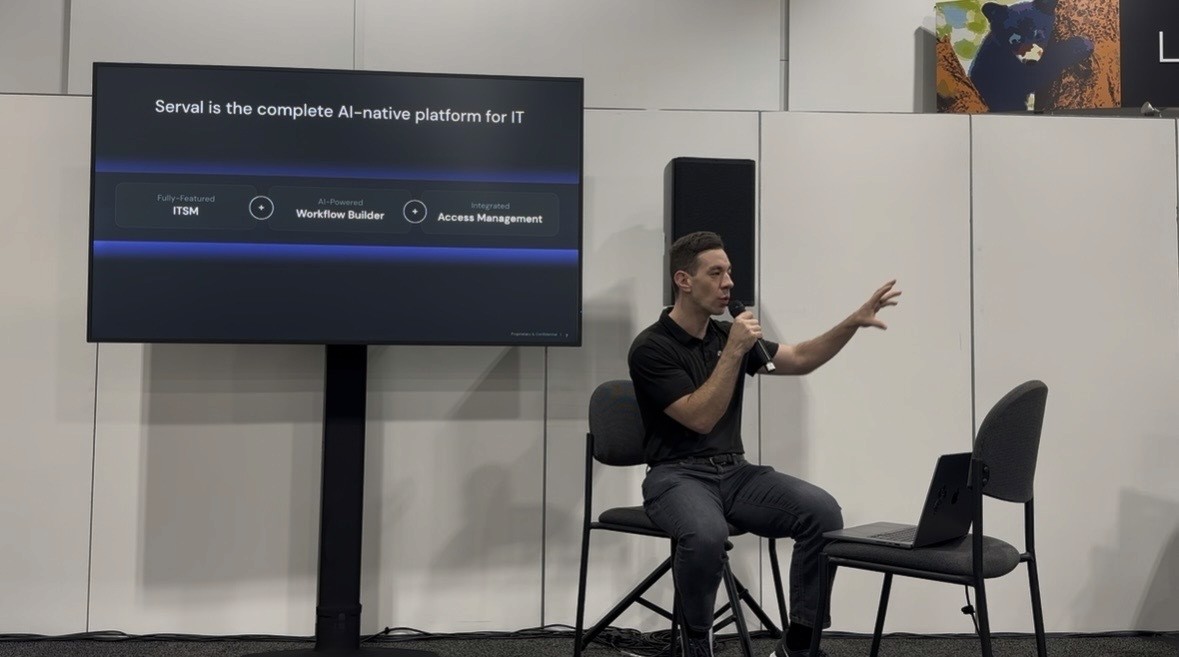
Automate 80% of IT tickets in 24 hrs
At JNUC 2025, Serval CEO Jake Stauch showed how IT teams use Serval’s AI agents to automate 80% of help desk tickets in 24 hours. From access requests to onboarding to Jamf-specific workflows. The session highlighted how Serval unifies ITSM, workflow automation, and access management into one secure, AI-native platform used by companies like Perplexity and Verkada.

Oktane Takeaways: Serval + Okta for AI-Native Automation
How Serval works seamlessly for Okta customers

AI Agents for IT: Vibe Coding Verkada Automations with Serval
You don’t need to code to build the Verkada workflows of your dreams. Build automations from natural language prompts, unlocking the potential of Verkada’s APIs.
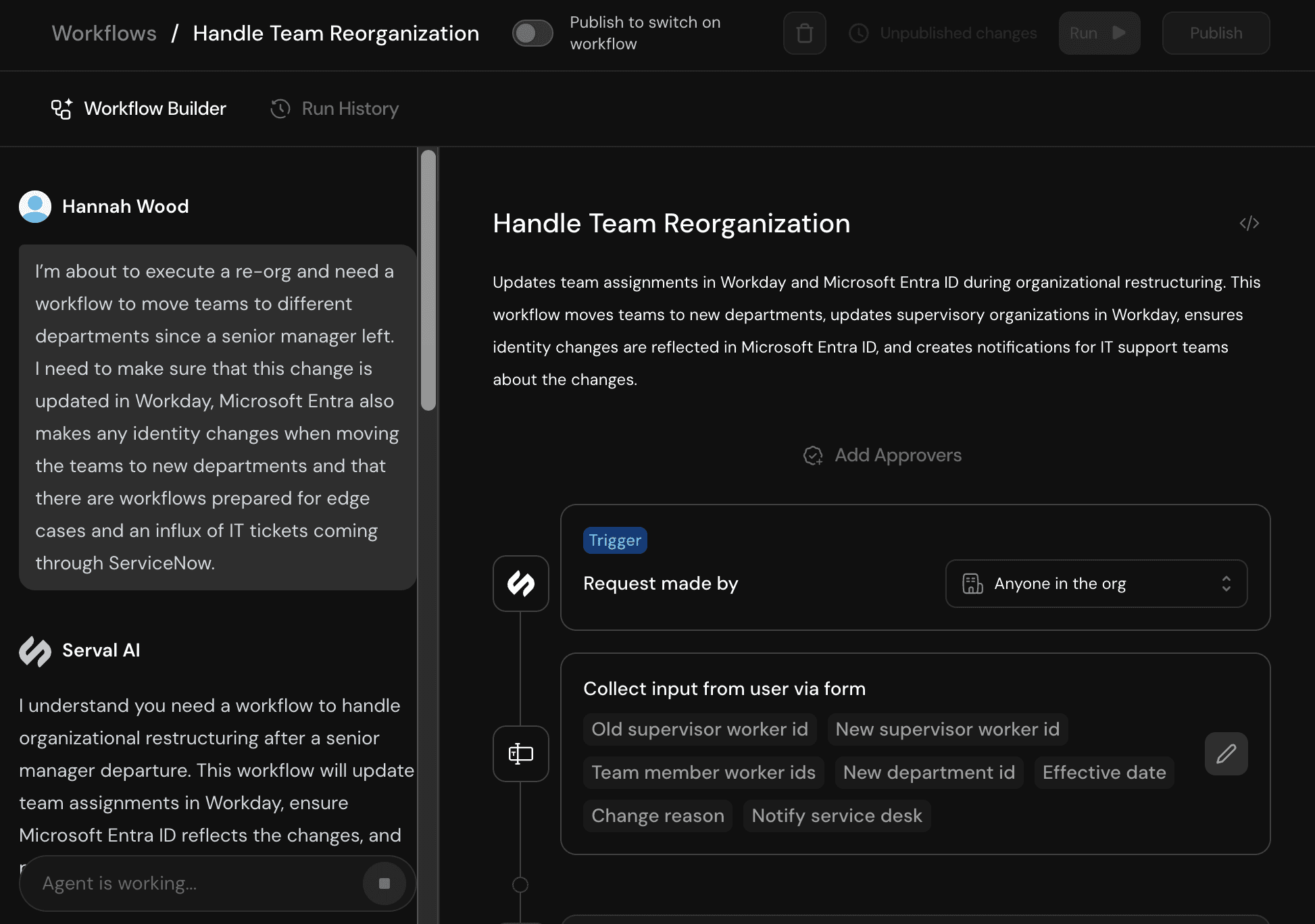
New Integrations for Enterprise IT: Microsoft, ServiceNow & Workday
Serval integrating with Microsoft, ServiceNow & Workday to support enterprise IT
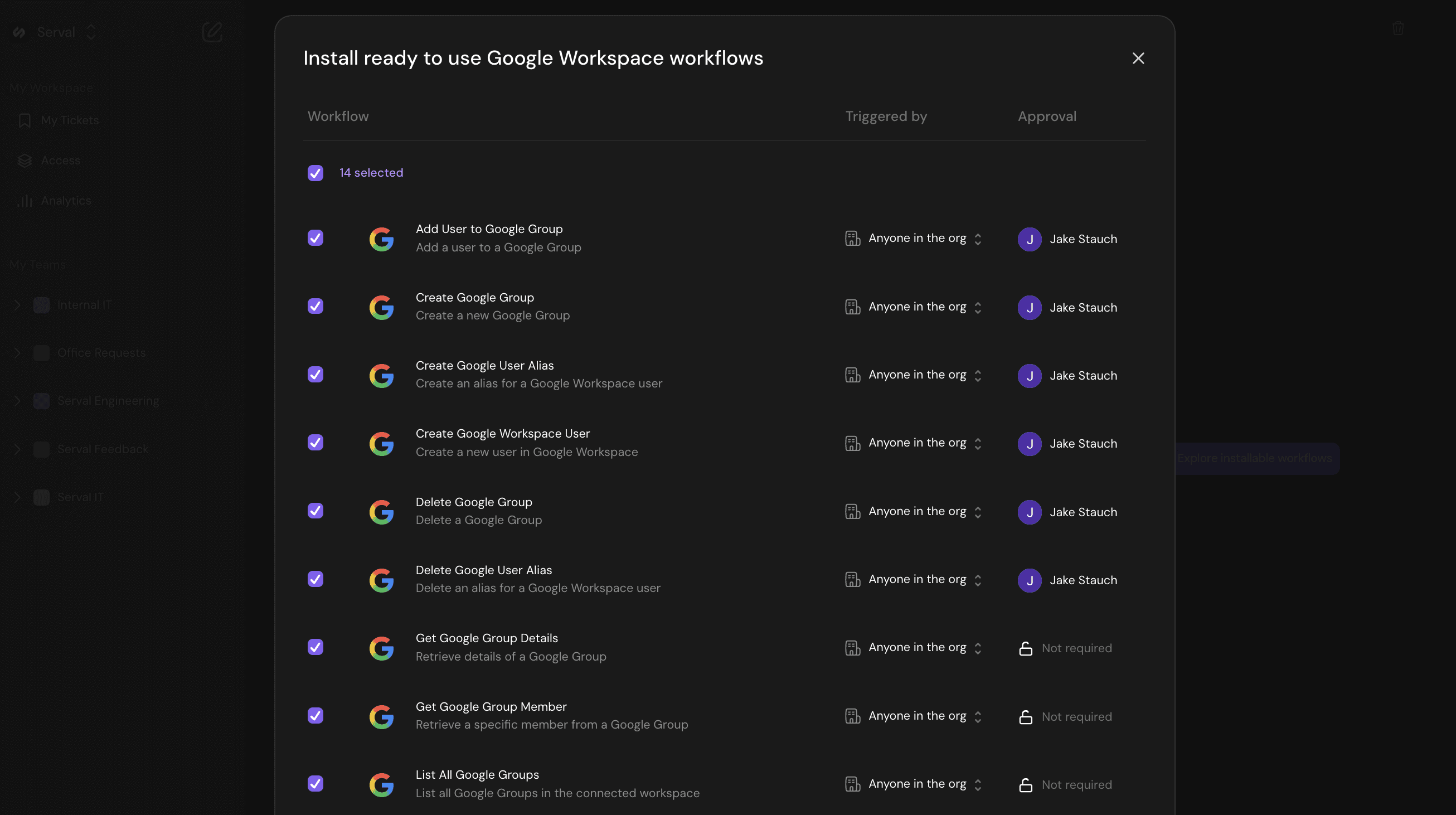
Introducing Prebuilt Workflows
Installable, ready-made workflows for easier onboarding

Introducing Slack Shortcuts and Manual Ticket Creation
New tools for creating tickets in Serval
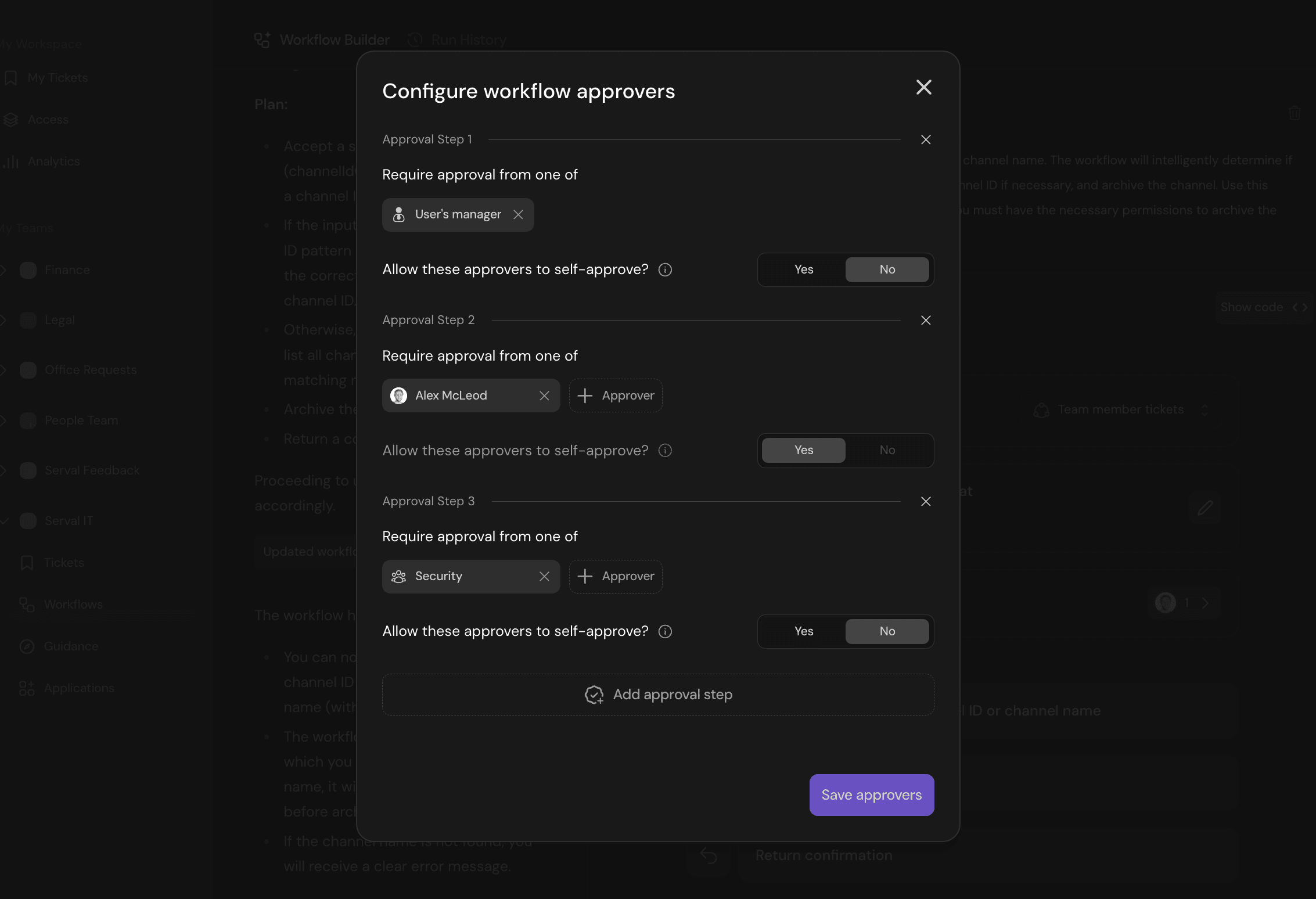
Introducing Manager and Multi-step Approvals
New approval features ensure robust controls over AI tool access
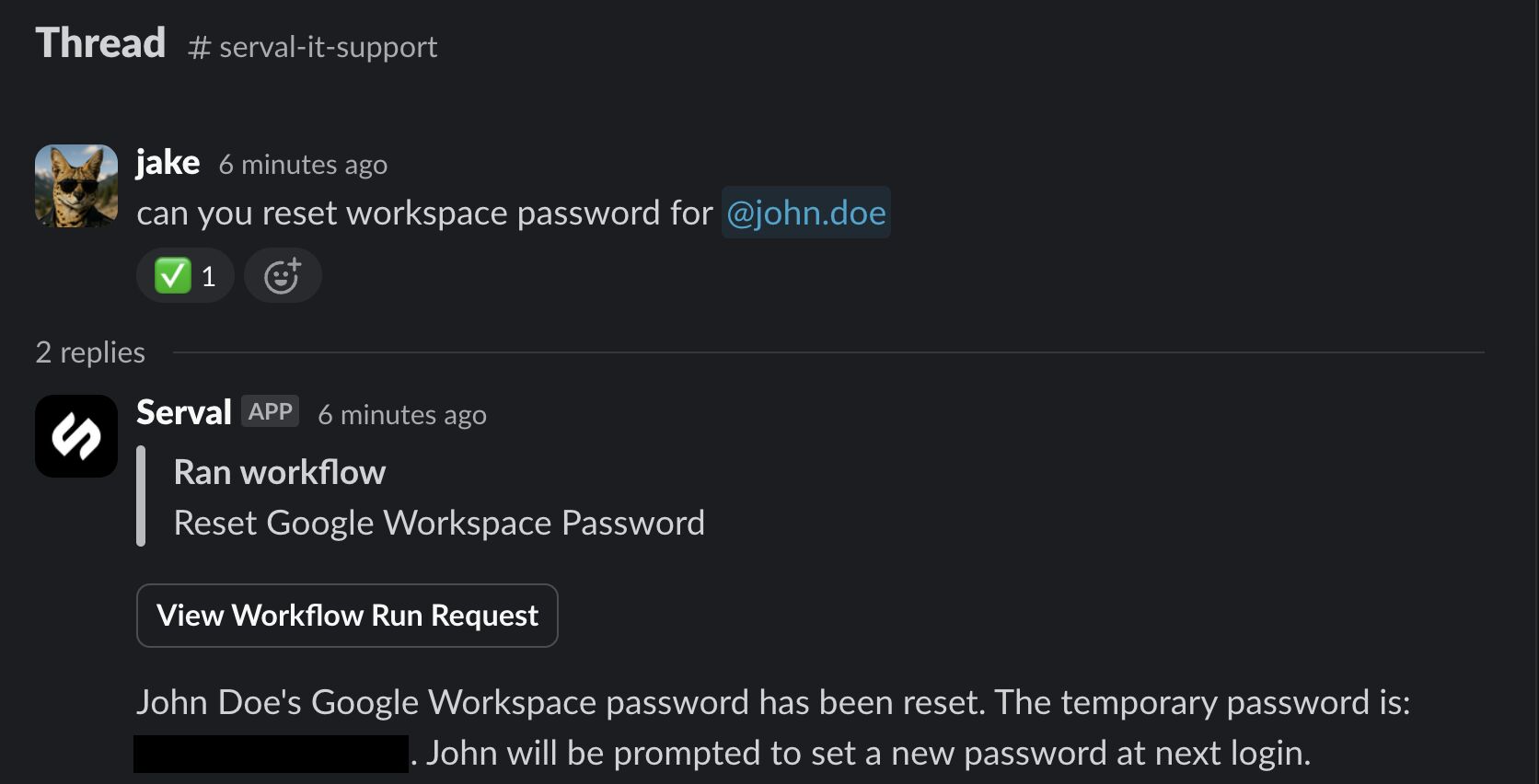
Is this the end of IT tickets?
See how IT ticketing is evolving with the deployment of AI agents
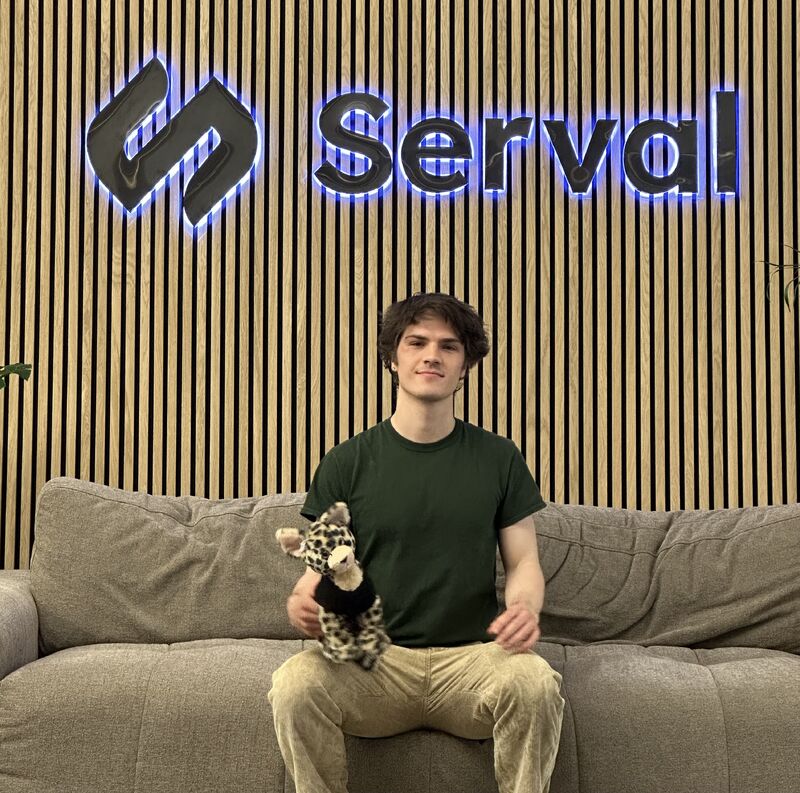
Serval Team Member Spotlight: Teddy Wahle
Celebrating Teddy's achievements
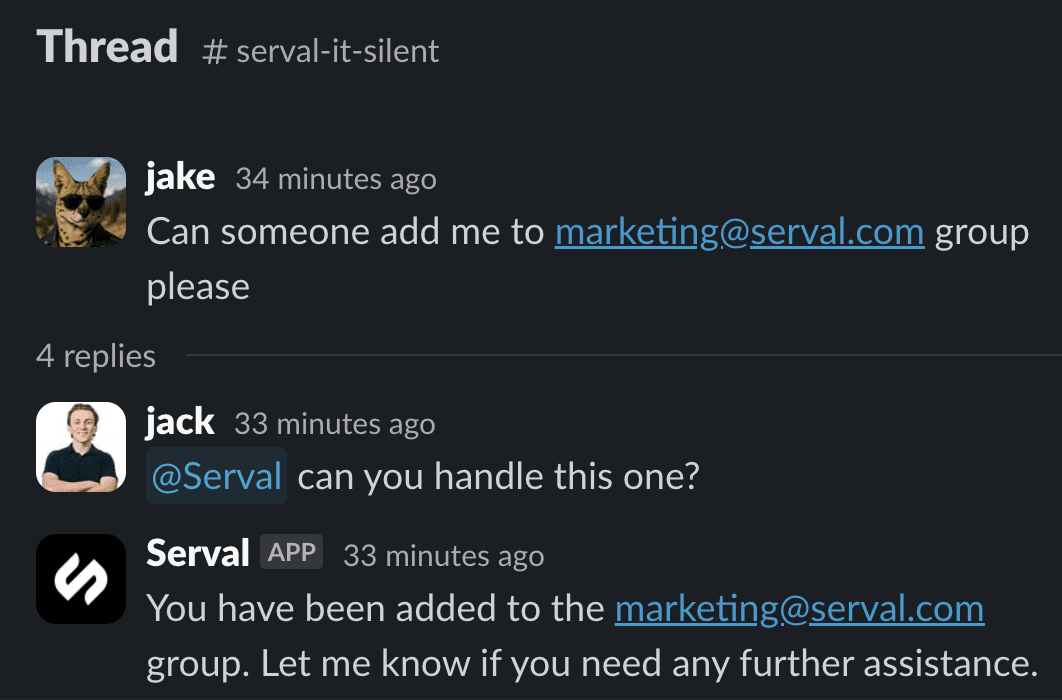
Introducing Serval Silent Mode
Keep Serval AI in the background and tag for help when needed
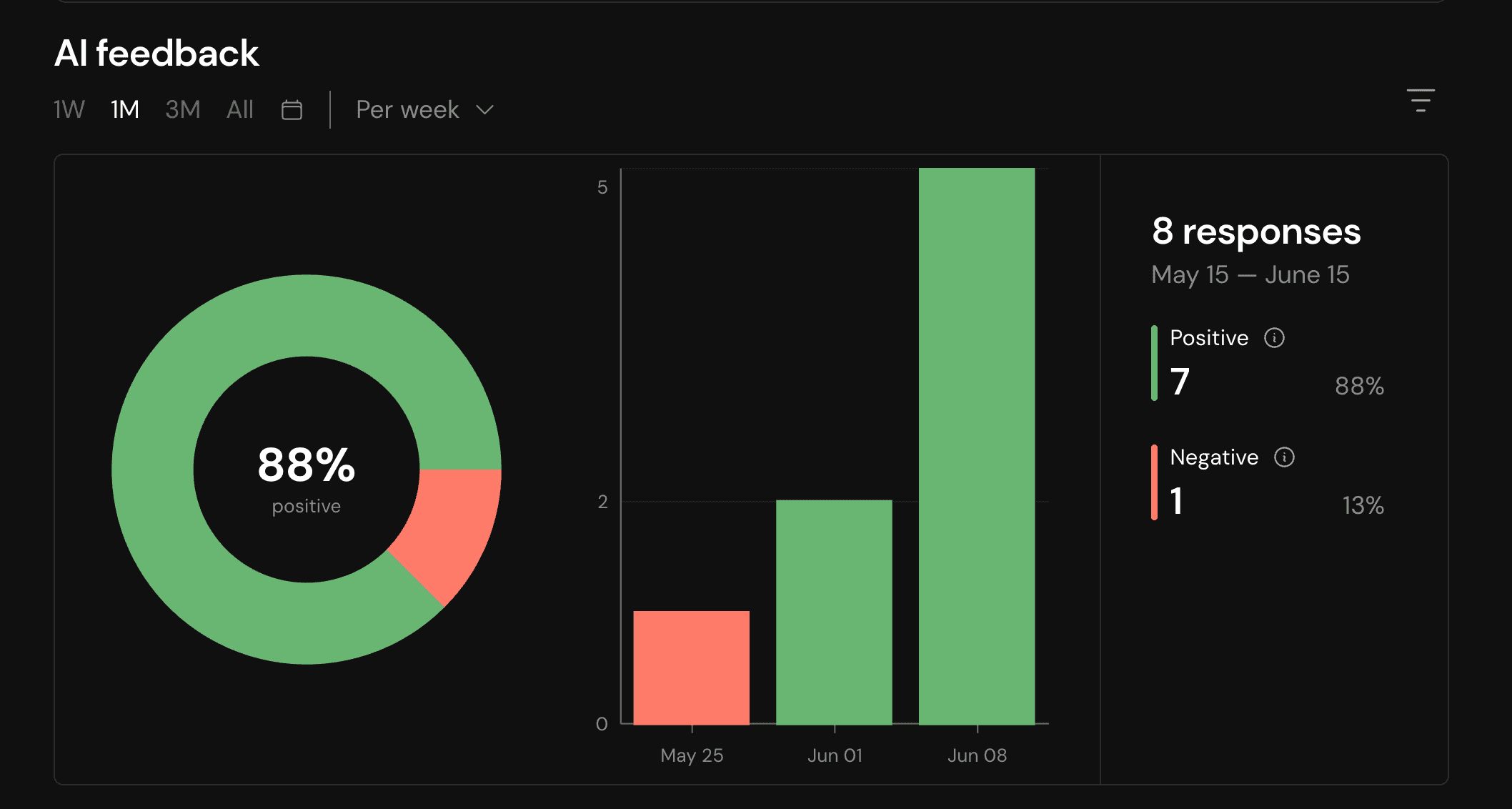
Introducing AI Feedback
Collect user feedback on Serval's AI agent and track changes in a real-time dashboard

Introducing Serval's New Public API
Create tickets from anywhere, embed AI resolutions, and sync users at scale with a single set of REST endpoints and webhooks.
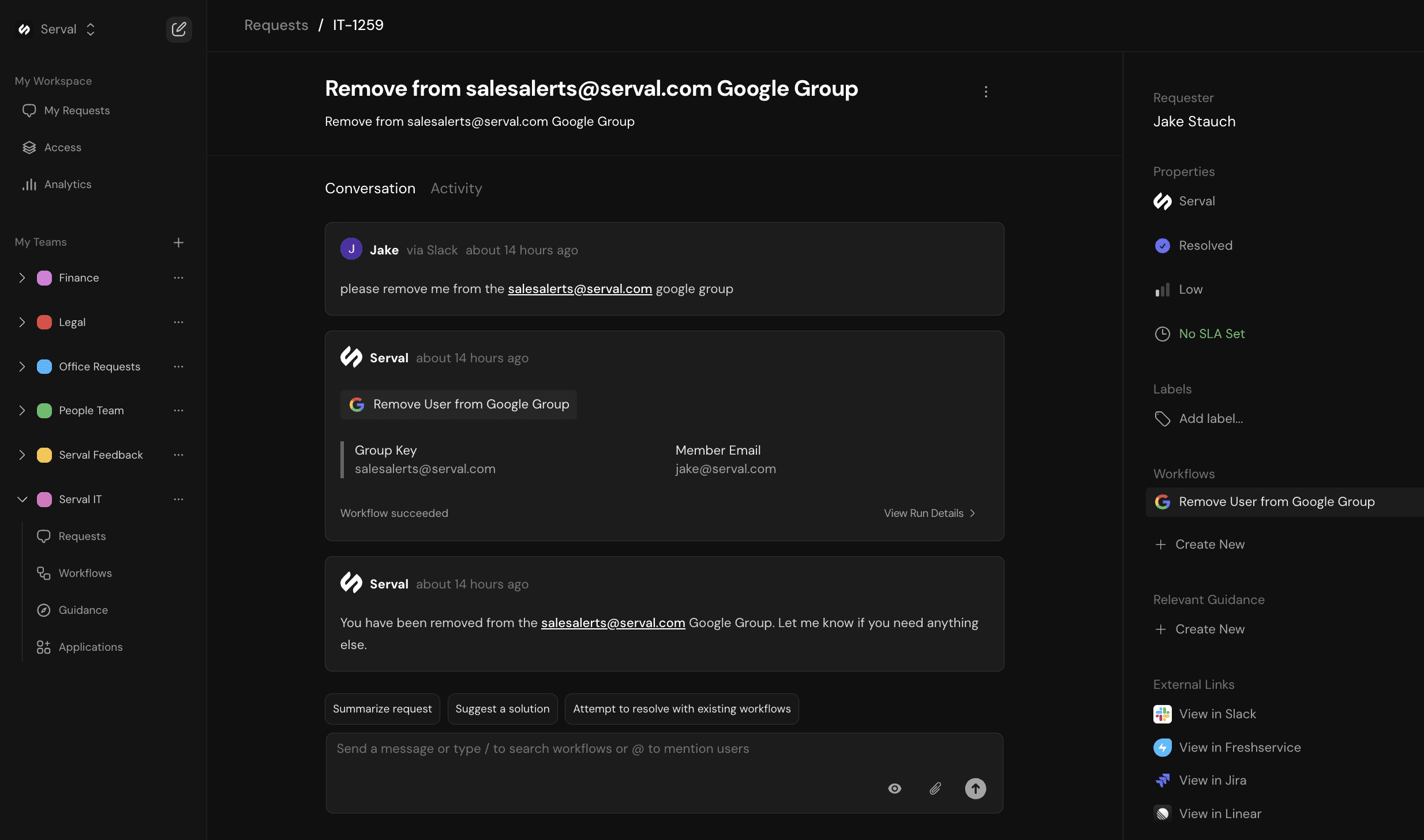
Introducing Serval Integration with Jira Service Management, Freshservice, and Linear
Take advantage of Serval's AI capabilities without replacing your existing ticketing system
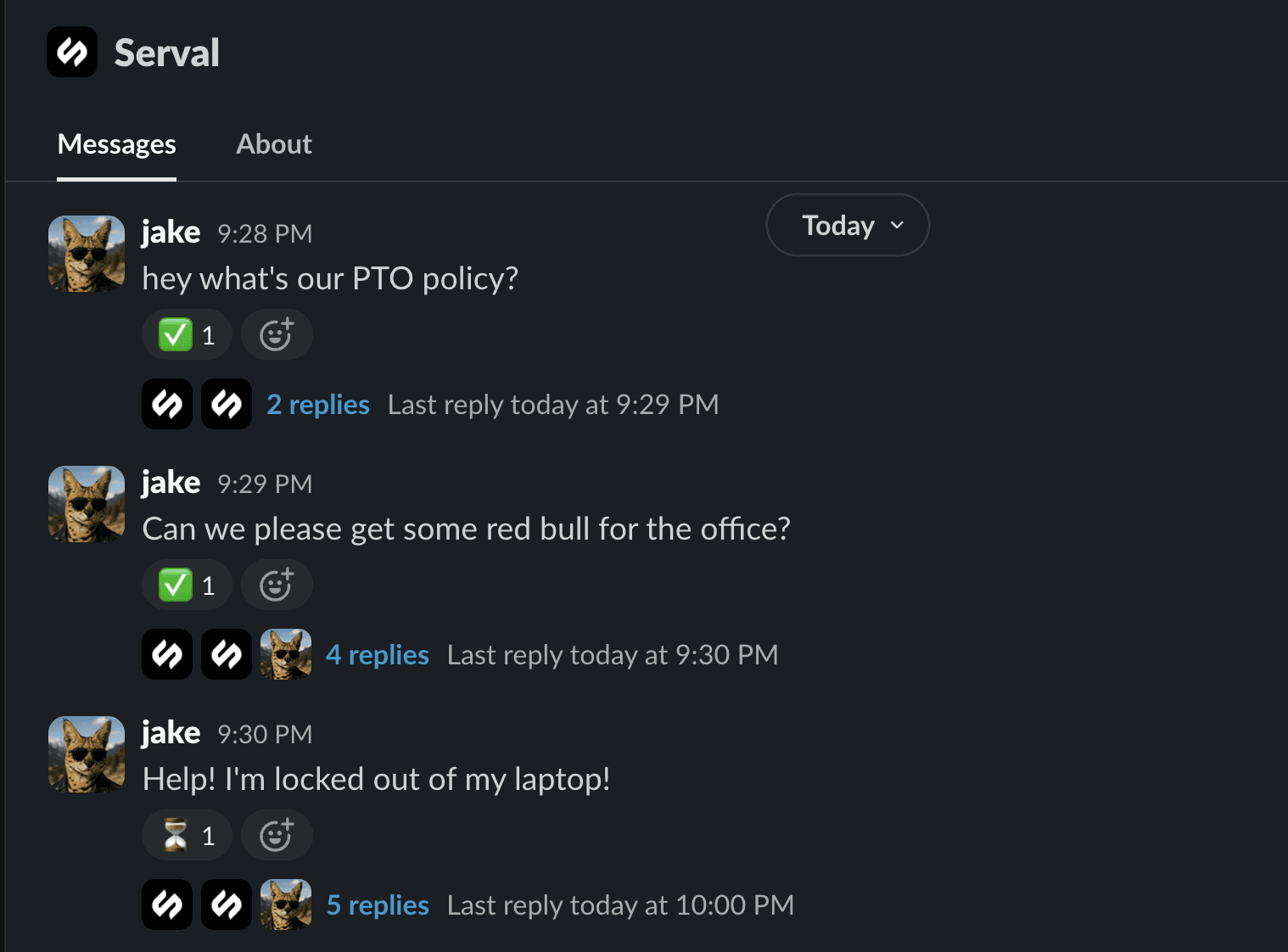
Introducing Private Serval Messages with Team Routing
Your own private help desk - for all your requests
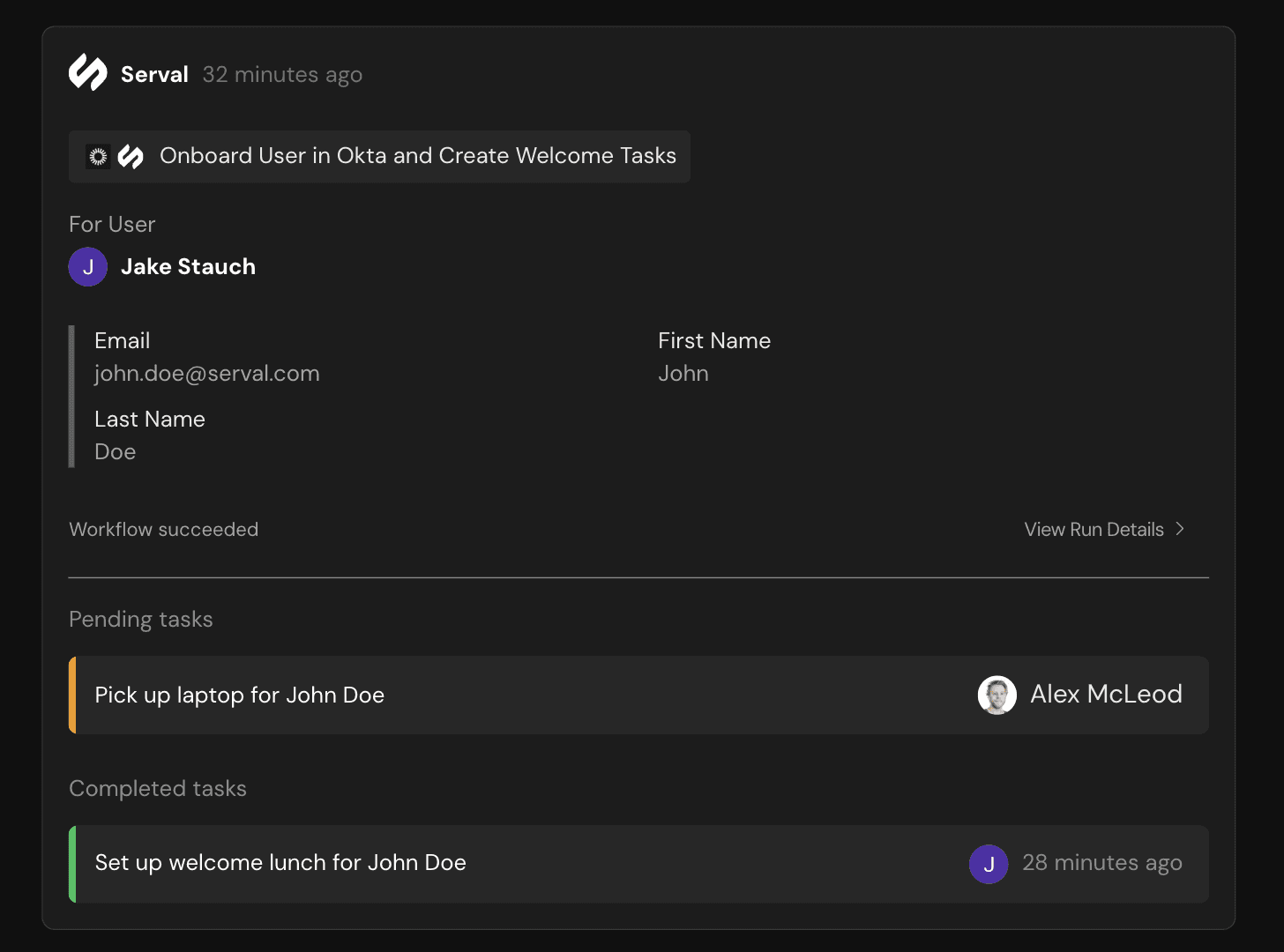
Introducing Tasks in Serval Tickets
Say goodbye to Jira checkboxes. Serval tickets now track manual tasks.
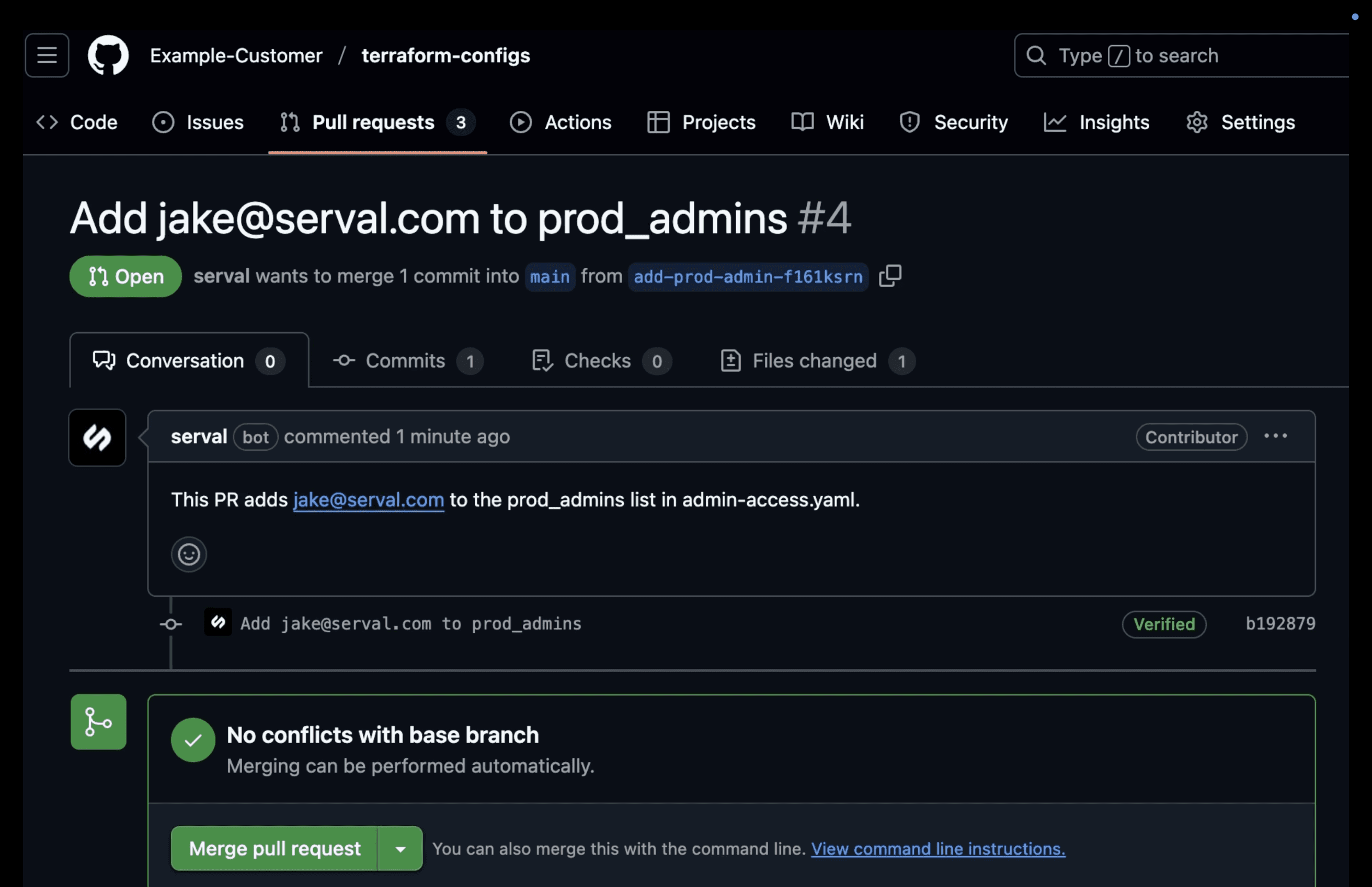
Introducing GitHub Automations
Automate GitHub PRs and more from a help desk request
Serval Team Member Spotlight: Derrick Liu
Celebrating Derrick's achievements
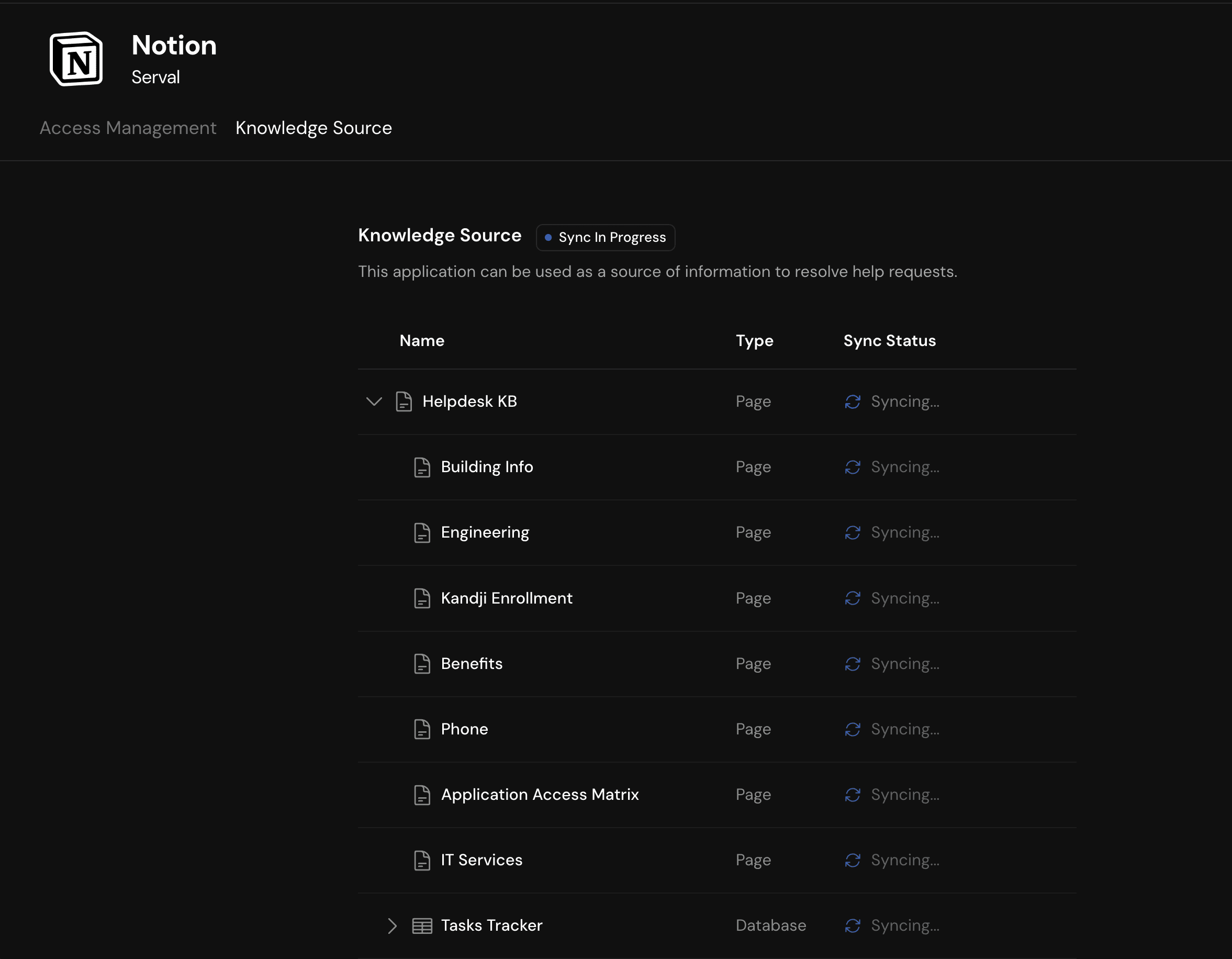
Introducing Third Party Knowledge Base Integration
Serval's AI agent answers employee questions using docs from Notion, Confluence, etc.
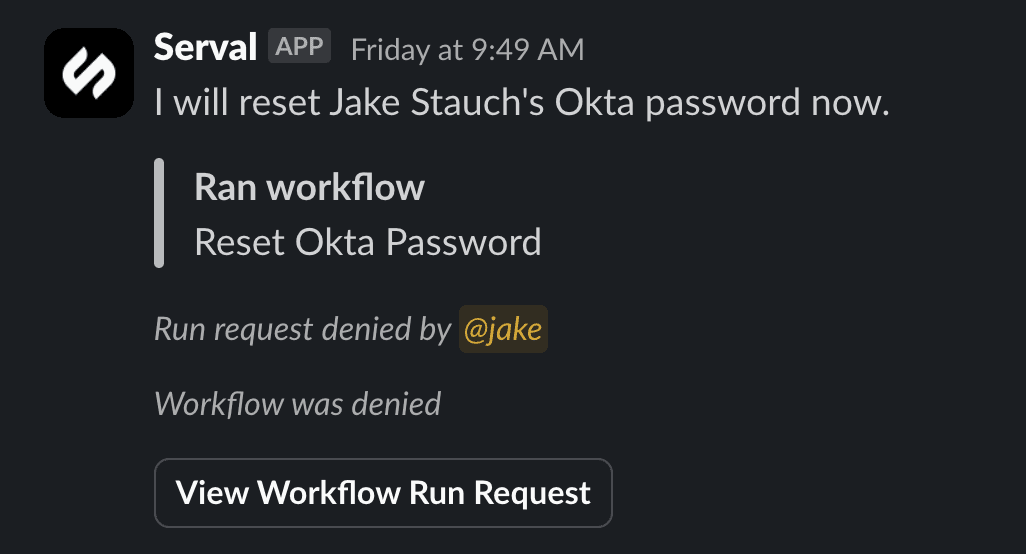
Introducing Request on Behalf Of
Run workflows on behalf of other users - with approval
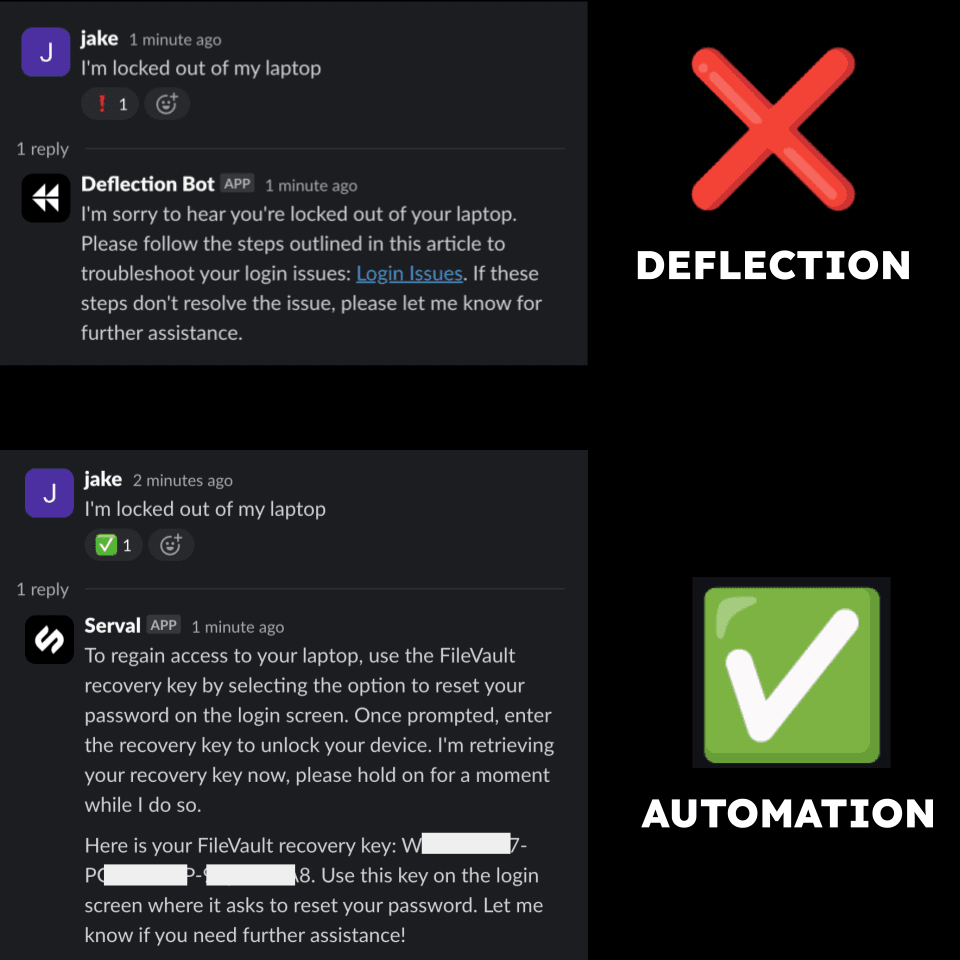
The Difference between Automation and Deflection in the Help Desk
They not like us

Migrating from Jira Service Management to Serval
It's easier than ever to modernize your ITSM

AI to Help Humans Work Better - Not Take Jobs
AI enables otherwise impractical best practices in IT and security
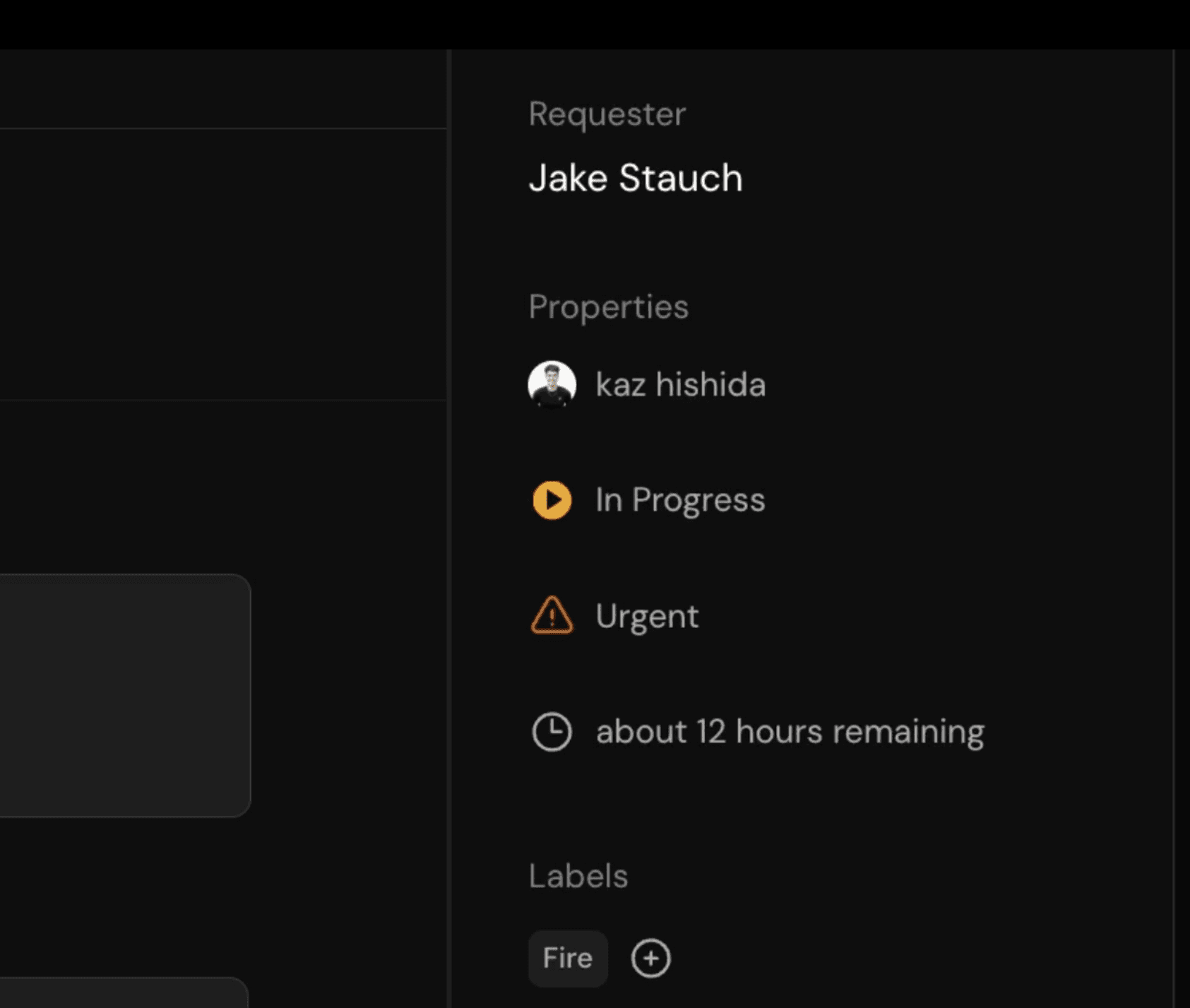
Introducing Ticket Auto Updates
"Quiet AI" for the modern ITSM
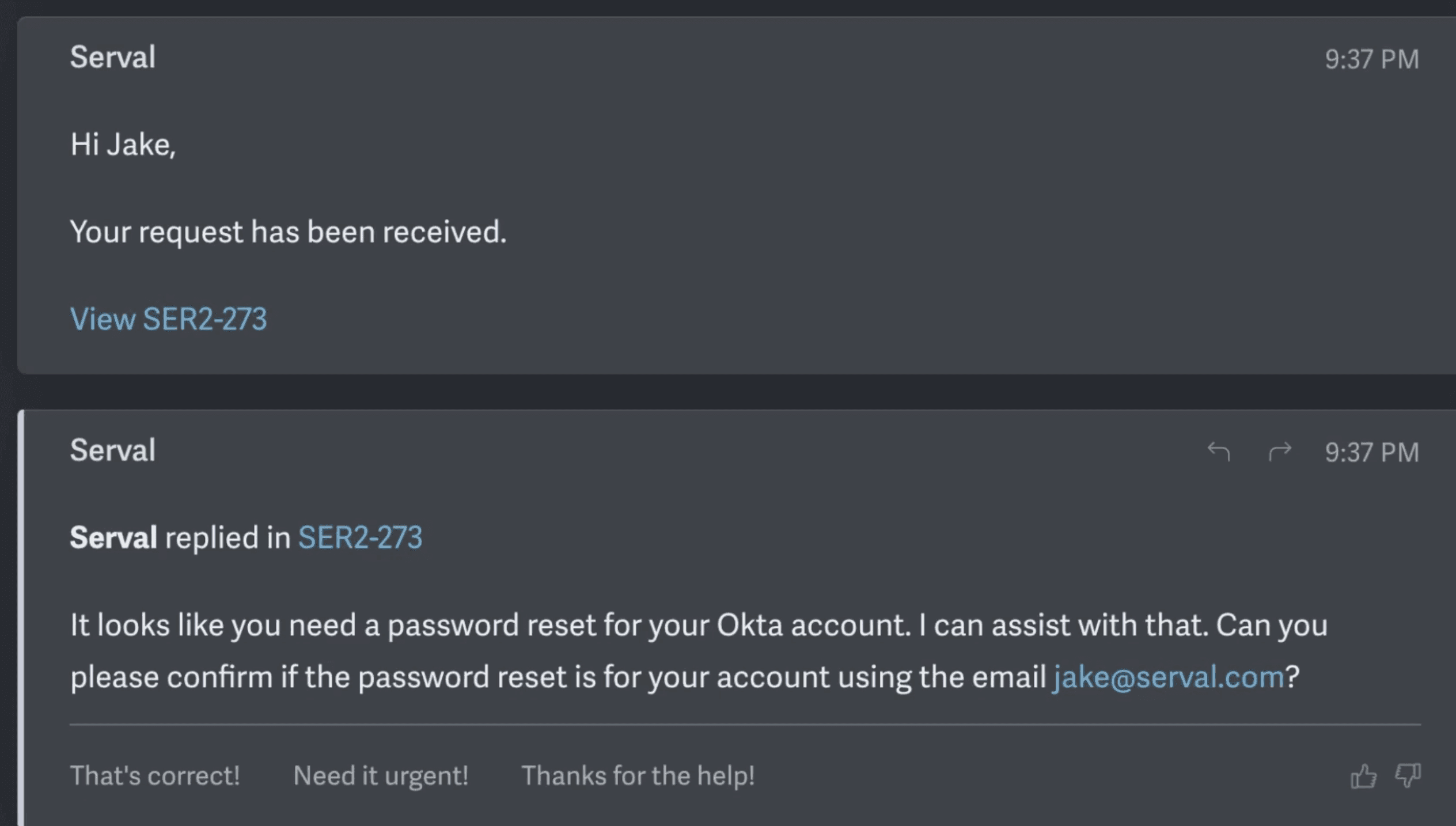
Introducing Serval’s AI-Powered Email Help Desk
AI resolutions to any help desk request over email
Serval Team Member Spotlight: Sebastien Lajeunesse-deGroot
Celebrating Sebastien's achievements at Serval
Introducing Email Support, Internal Notes, Merging, and Image Attachments
Latest features add more capabilities for Serval ITSM
Serval Copilot
AI superpowers for human agents
Introducing Image Recognition
Serval now diagnoses and resolves help desk requests from a screenshot
Serval Team Spotlight: Kaz Hishida
Celebrating Kaz's achievements at Serval
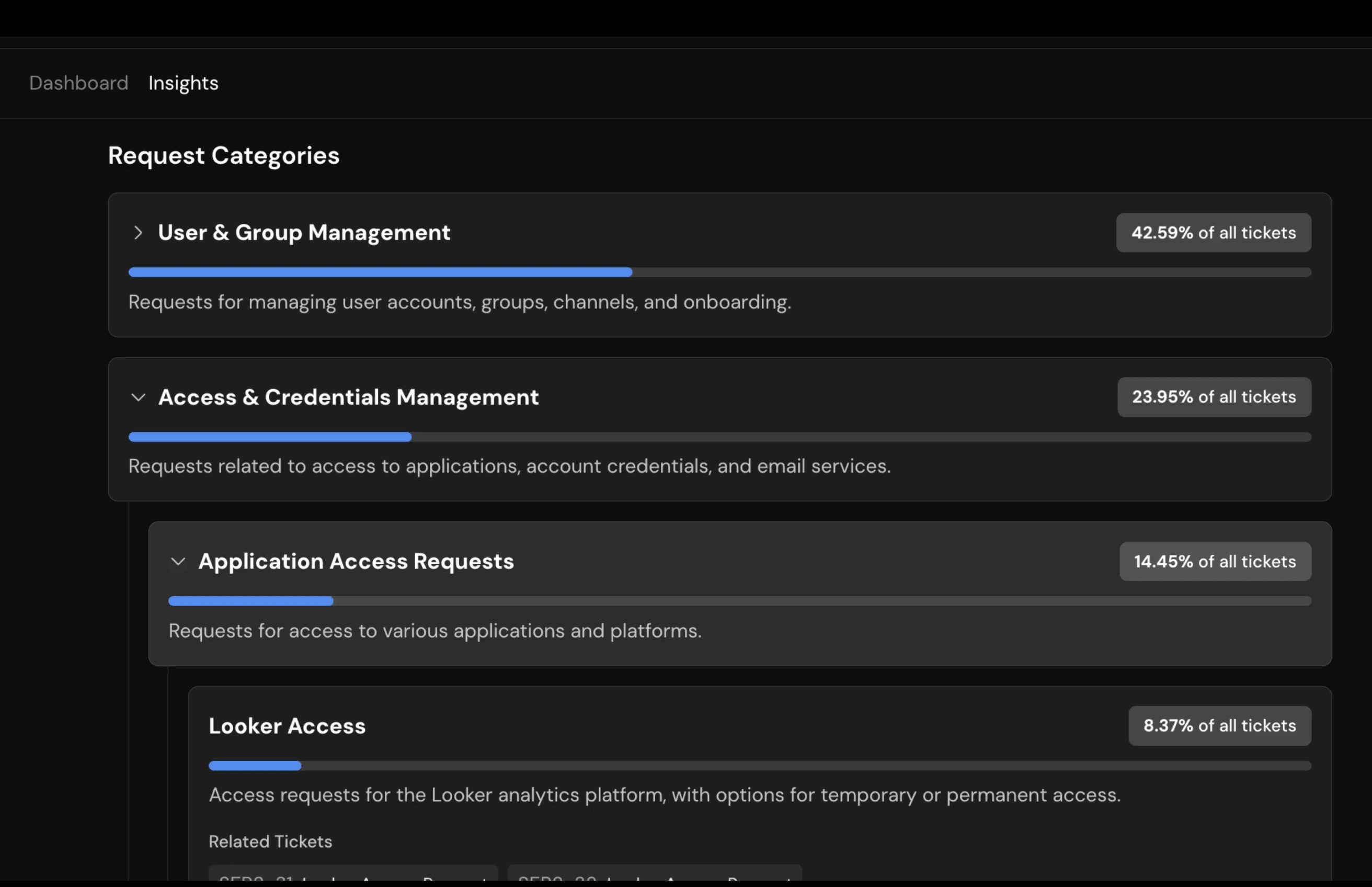
AI Insights
Serval AI categorizes historical tickets and highlights automation opportunities

Making IT Automation Safe and Secure
Guardrails are key to deploying AI in the ITSM
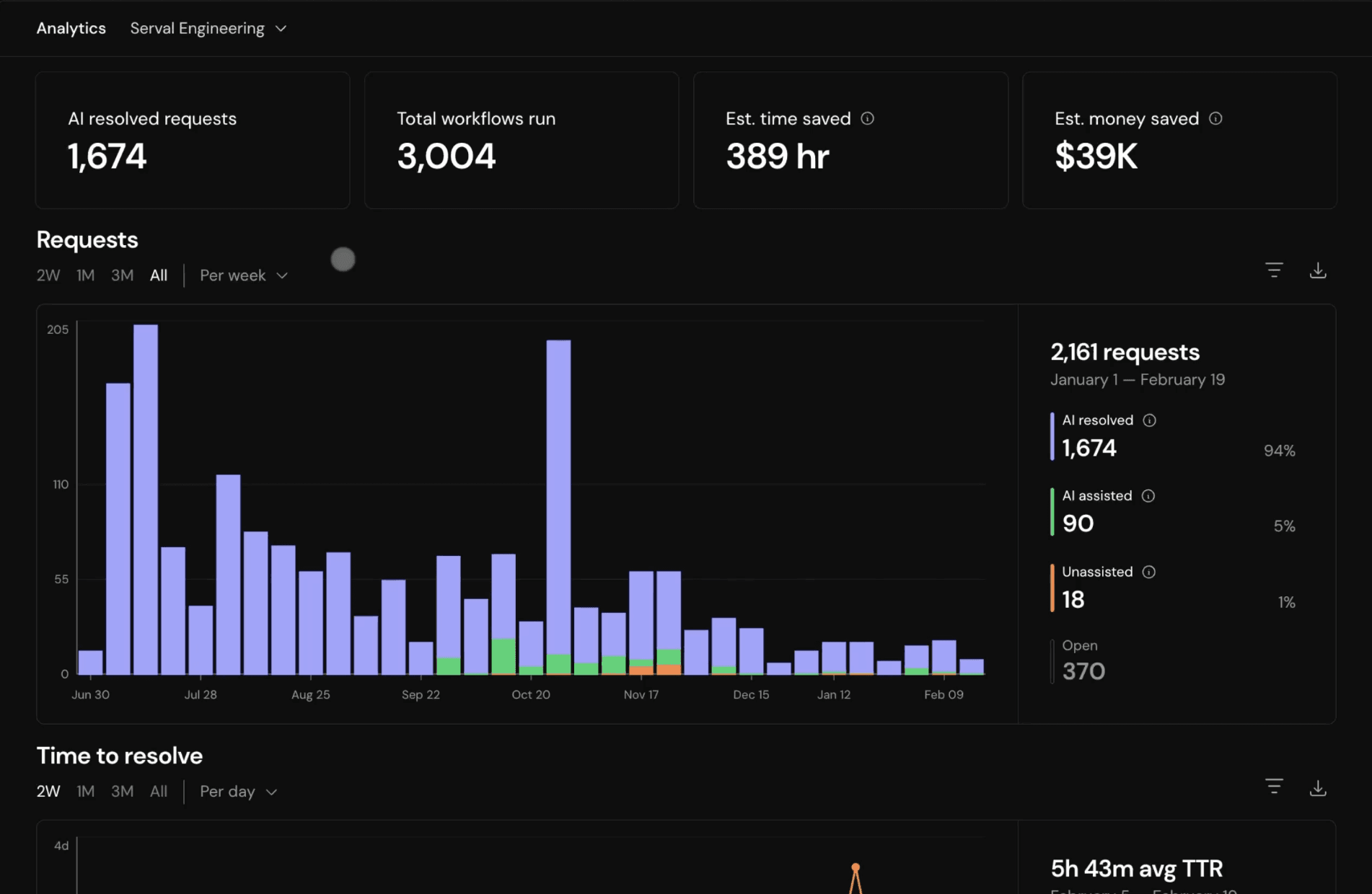
Analytics, Public API, and Serval for Serval Automations
Latest updates for Serval power users
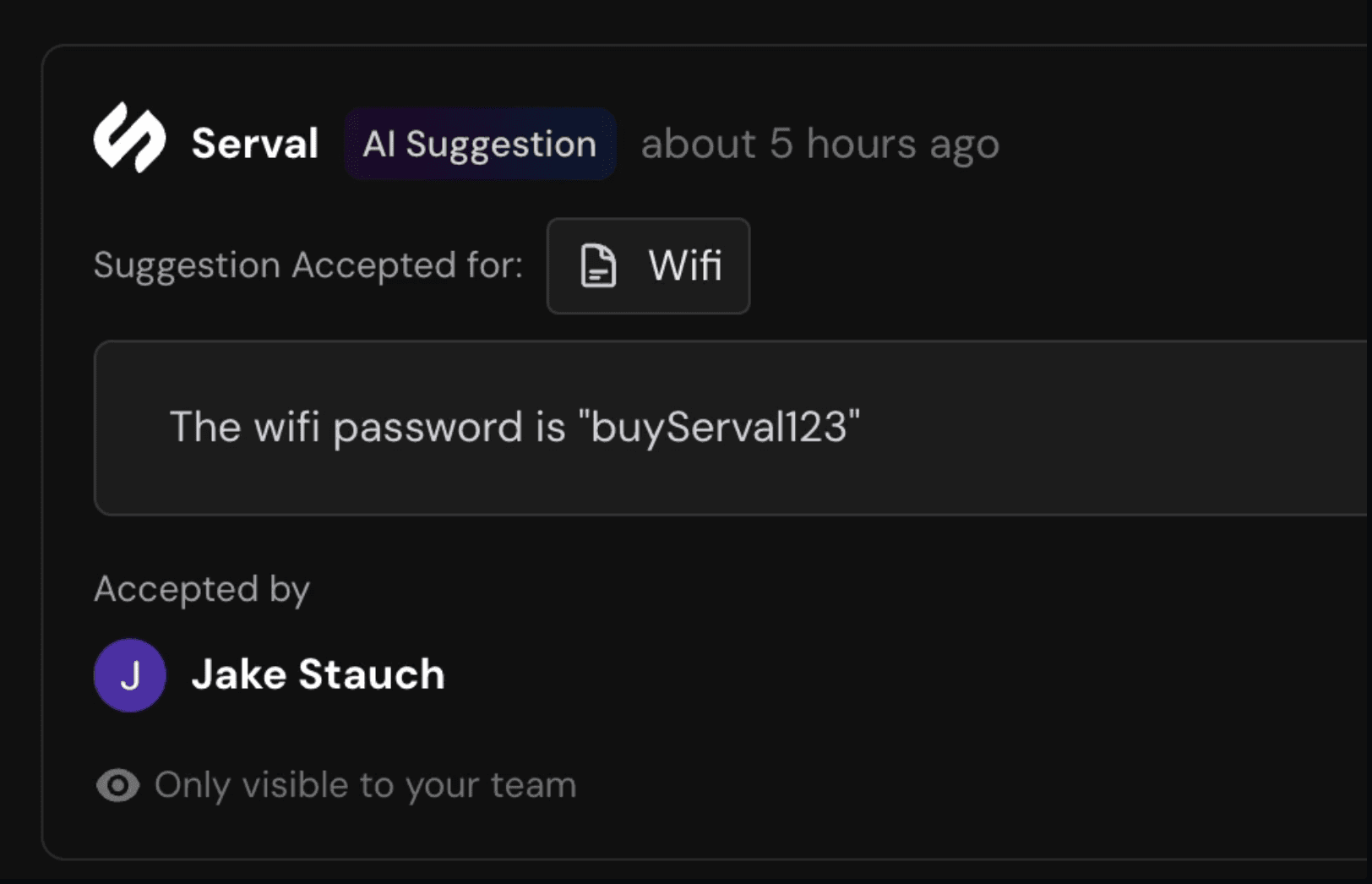
Natural Language Approvals, Automated Knowledge Base Updates, and Version Control
New features for help desk automation
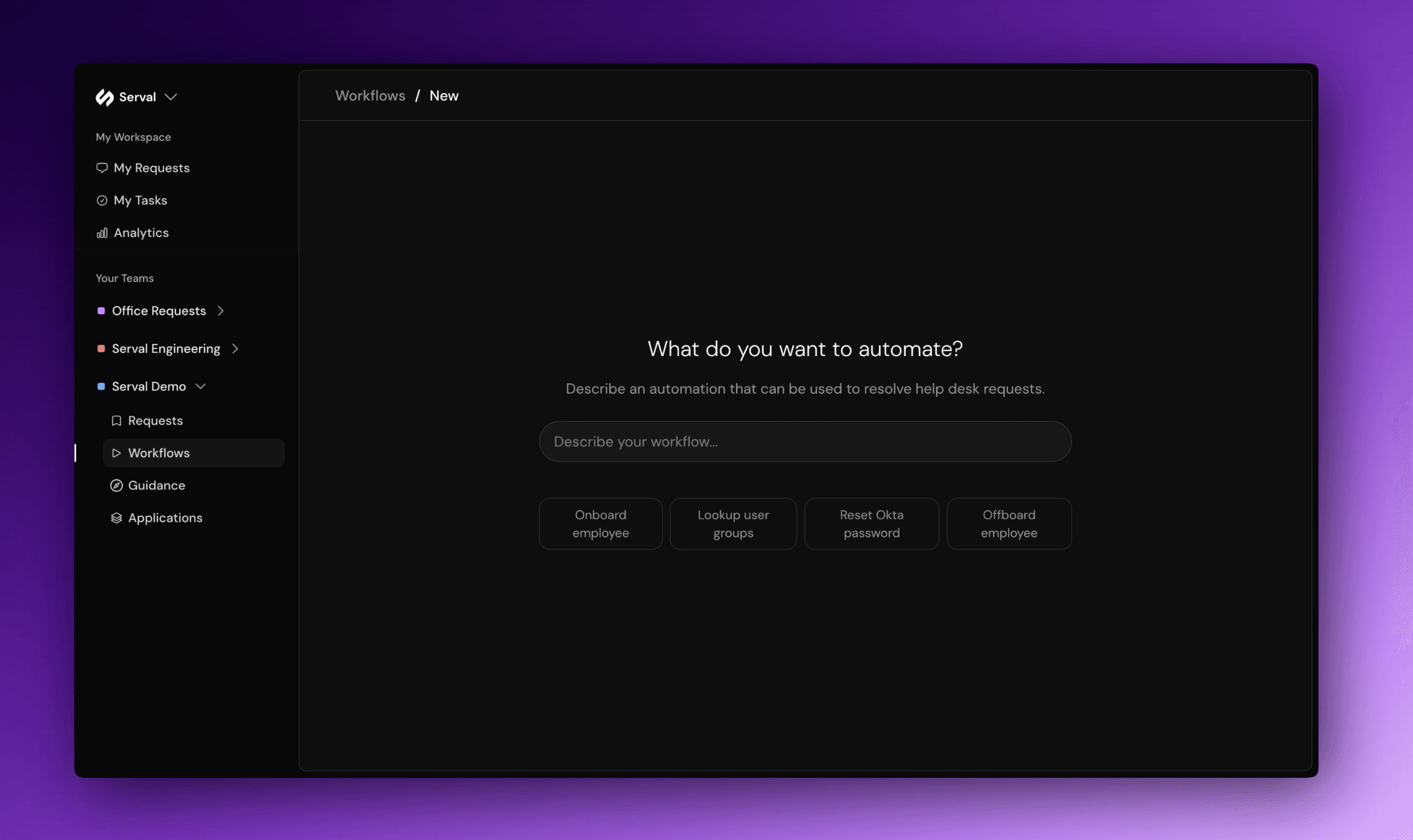
Automating the Automation for IT
Natural language workflow builder eliminates friction in building IT automations
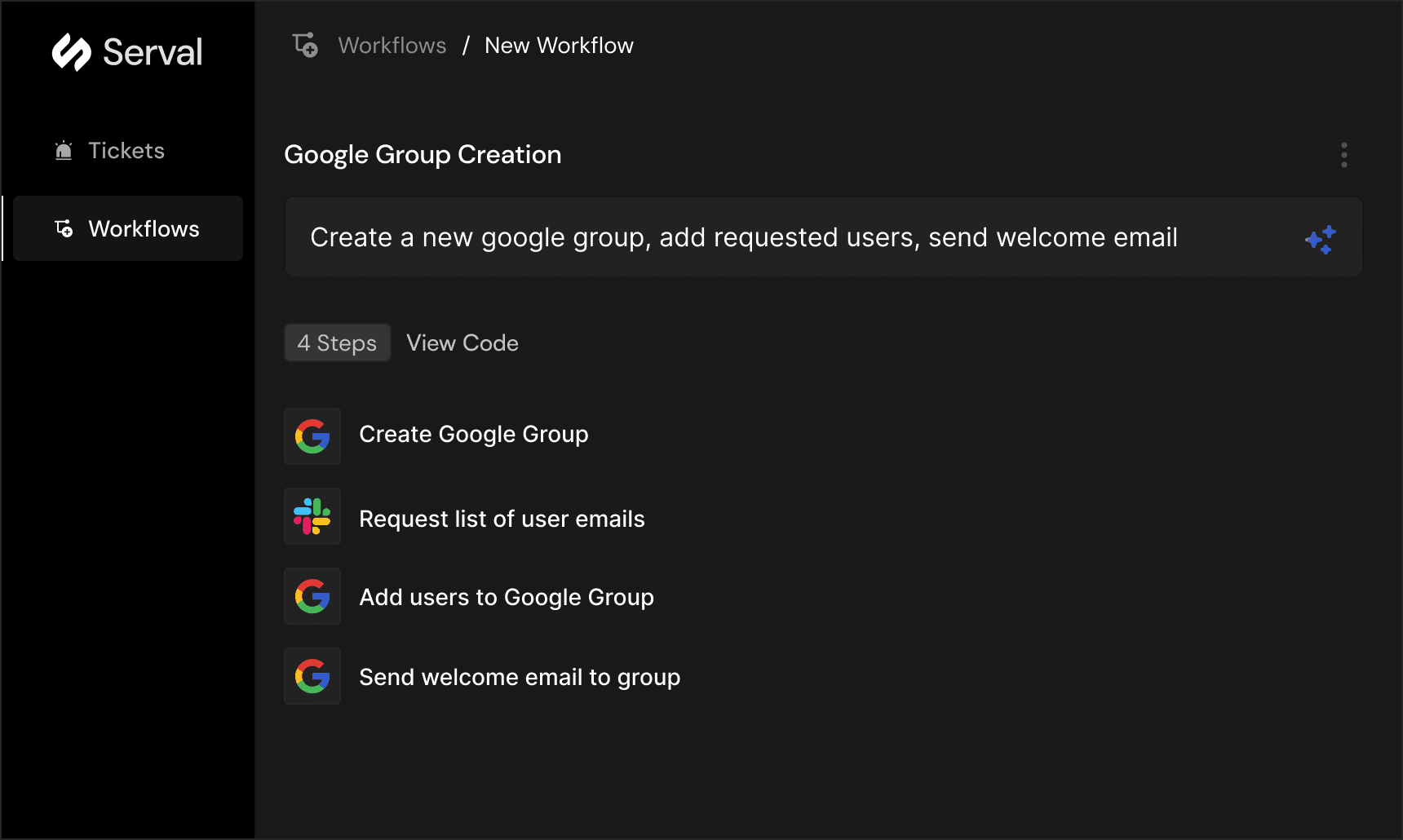
Introducing Serval
AI to give IT superpowers

Serval Achieves SOC 2 Type 2 Compliance
Continuing our commitment to data security
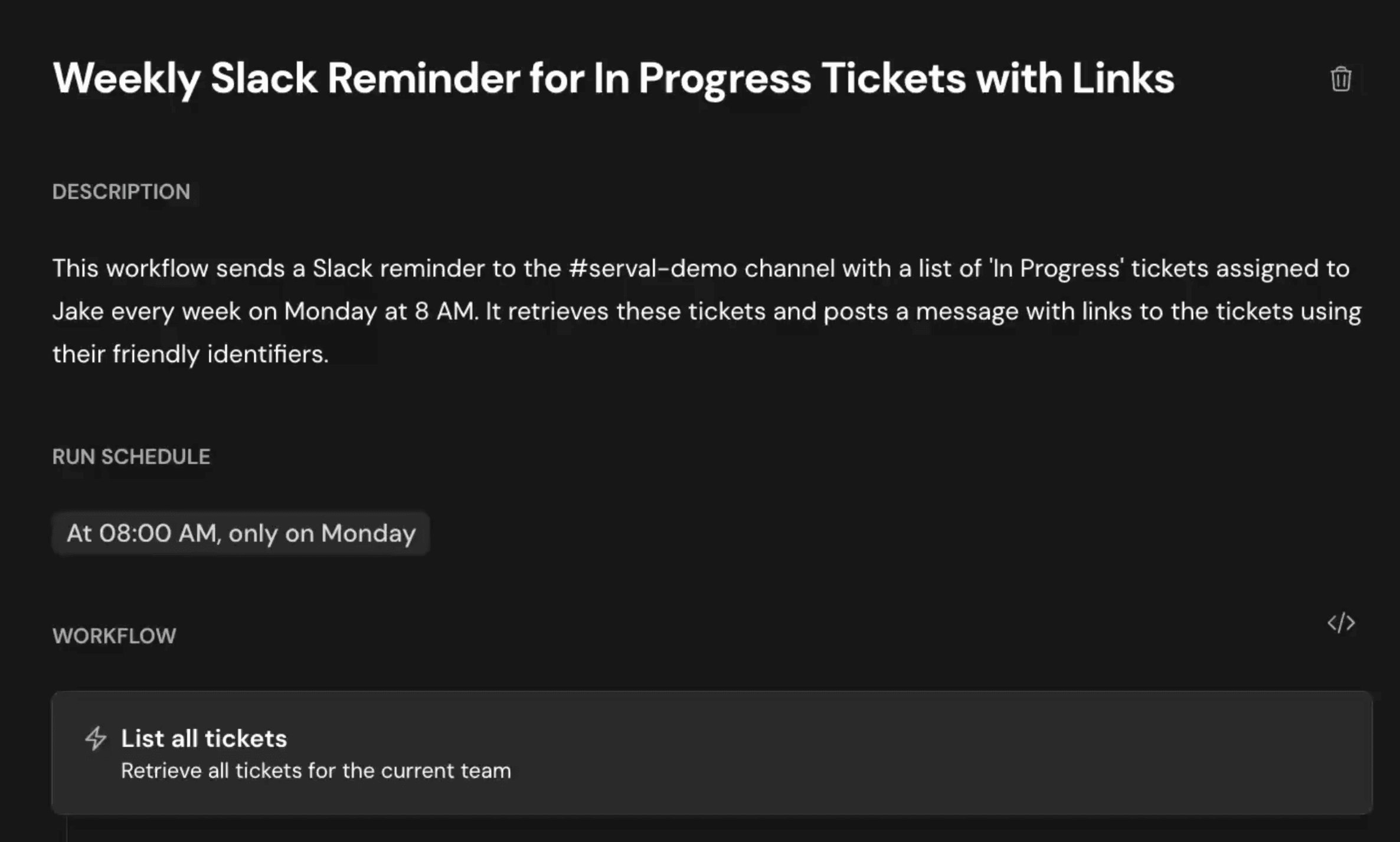
Scheduled Workflows
Run workflows on a recurring schedule